
Growing your business requires more than just marketing. While marketing is essential for visibility and engagement, many small businesses and nonprofits focus so heavily on it that they neglect critical internal functions necessary for long-term sustainability. Larger corporations typically have departments dedicated to operations, compliance, internal systems, and strategy—but smaller organizations often go without, not because they do not need them, but because they lack the resources or awareness to prioritize them.
This one-sided focus creates a serious growth limitation. Without a complementary corporate strategy, marketing alone cannot carry the business forward. Corporate strategy acts as the trunk of a strong business tree—from which branches like operations, programs, and external relationships grow. According to Forbes, “For a corporation to create value, strategic assets and a long-term strategy are needed so that competitors cannot easily imitate it.” In other words, today’s innovation must be backed by tomorrow’s vision, or the business may not survive the next wave of competition.
To grow sustainably, businesses of all sizes must include the following components in their corporate growth strategy:
🗝️ 1. Assign a Lead for Continuous Process Improvement
This role focuses on enhancing productivity, customer satisfaction, and profitability. In large companies, a dedicated team assesses waste, inefficiencies, or service gaps. Small businesses and nonprofits should adopt a similar approach—even if only one person is responsible. Implementing continuous improvement processes can dramatically reduce unnecessary costs and increase customer loyalty.
🗝️ 2. Designate Someone to Monitor Market Conditions
Leadership must stay informed on internal dynamics and the external environment—local, state, and global—affecting their market. Small business owners are often consumed with daily operations and have little time to assess emerging threats or opportunities. But just as we invest in preventive healthcare, we must monitor the health of our organizations. This includes building a system for tracking policies, funding trends, consumer shifts, and competitor activities.
🗝️ 3. Identify Who Will Own and Implement Corporate Strategy
In many smaller organizations, all responsibilities fall to a single executive leader, often without strategic thought partnership or systems support. That leader may be visionary, but not necessarily equipped to develop and execute a robust, long-term plan. Without internal capacity or external support, growth stalls.
As the founder of both a nonprofit and a for-profit enterprise, I experienced early success—earning government and corporate funding, launching a highly regulated facility, and gaining consistent media coverage. Yet I lacked a dedicated partner to challenge me strategically and ensure our daily steps aligned with long-term vision.
That is why I founded a firm that provides fractional executive leadership—for the very leaders I once was. Our team partners with purpose-driven organizations to deliver expert support in Operations & Organizational Design, Human Resources, and Corporate Strategic Messaging—allowing founders to scale their work with precision and purpose.
About the Author:
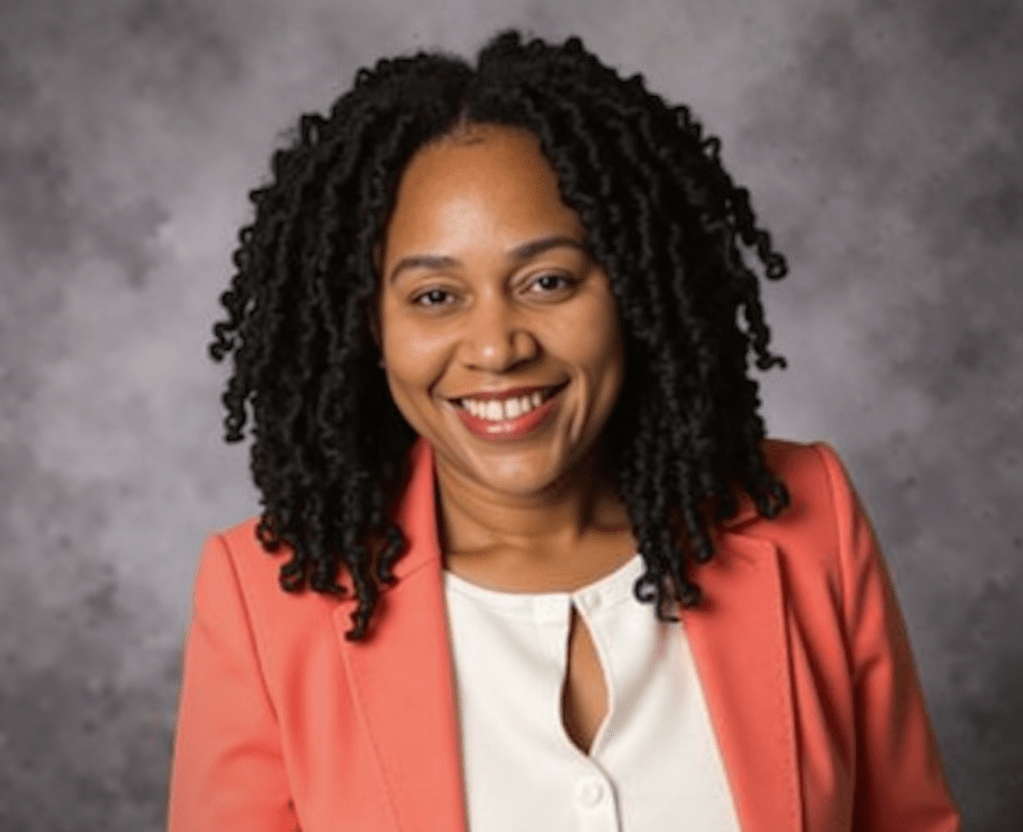
Trevina Jefferson, M.Ed., SSBB, SHRM-CP, is a Navy veteran and CEO of Trepson Management & Benefits Consulting, where she and her team support mission-driven small businesses and nonprofits with fractional executive leadership services, including operations, human resources, and project management. The organization is SWAM certified.
📧 Contact: Trevina.jefferson@trepsonconsulting.com
🌐 https://www.linkedin.com/in/trevinajeffersonleader/
 Walker Business Leaders Toastmasters
Leave a comment